Humidifier vs Diffuser: Which Should You Buy? (October 2026)
Choose a humidifier to add moisture to room air, or a diffuser to spread fragrance. Some water based diffusers make a little mist, but they aren't a substitute for a room humidifier.
On this page (8 sections)
- Humidifier vs diffuser: what is the difference?
- Which one should you buy for dry air?
- Which one should you buy for fragrance?
- Can a diffuser humidify a room?
- Can you put essential oils in a humidifier?
- Which takes more cleaning?
- Do you need both a humidifier and a diffuser?
- Humidifier vs diffuser: which should you choose?
Choose a humidifier to add moisture to room air, or a diffuser to spread fragrance. A water based diffuser can make mist, but its small tank and fragrance focused design don't make it a room humidifier.
The right choice depends on what you want to change. If the air feels dry, look for a humidifier; if you want a scented room, choose a diffuser.
The types of humidifiers guide explains the main humidifier designs. Here, we'll compare humidifiers with water based and waterless diffusers, then help you choose by purpose, room and upkeep.


Humidifier vs diffuser: what is the difference?
A humidifier is for adding moisture to air; a diffuser is for spreading fragrance. Some diffusers use water to carry essential oils into the air, while others disperse fragrance oil without water.
A water based diffuser has a reservoir and makes a fine mist. That mist may add some moisture, but the unit is built around aroma and ambience, not the water capacity and room humidity controls found in a humidifier.
A waterless diffuser skips the water tank. The AirScent Waterless Diffuser uses fragrance oil and offers low, medium and high intensity settings, so it won't add moisture to a room.
What does a humidifier do?
A humidifier releases water vapor or mist to raise indoor humidity. Models differ by type, tank size and controls, so choose one based on your room and the amount of moisture you want to add.
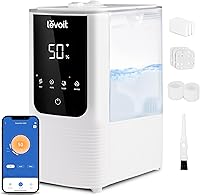
The Levoit NeoClassic 650S is a cool mist humidifier with a 6.2 L tank, app control and an Auto Mode that aims to maintain a humidity level. Its stated room coverage is up to 536 square feet.
If you want to compare humidifier types before choosing a model, see our guide to the pros and cons of common humidifier types. For comfort and wood floor considerations, read what humidity should be in a house.
What does a diffuser do?
A diffuser spreads fragrance from essential oils or fragrance oil. A water based model may create visible mist, but fragrance remains its main purpose.
The ASAKUKI Essential Oil Diffuser has a 500 ml tank, optional oils, mist modes, a remote and separate light and mist controls. Its features suit fragrance and ambience more directly than managing a home's humidity.
A waterless diffuser uses fragrance oil without adding water. The AirScent model has a 2 to 12 hour runtime setting and 3 scent intensity levels.
Which one should you buy for dry air?
Buy a humidifier if you want to raise room humidity. A diffuser is not a reliable replacement for a humidifier, even if it releases water mist.
A humidifier gives you a larger water supply and may include controls for the room's humidity. The Levoit NeoClassic 650S has a 6.2 L tank and Auto Mode, while the ASAKUKI diffuser's tank holds 500 ml and is designed for aromatherapy.
Start by checking the room's current humidity and the level you want to maintain. Our guide on how to raise humidity in a house covers practical options, and where to put a humidifier in a bedroom covers placement.
Which one should you buy for fragrance?
Buy a diffuser if fragrance is your main goal. Choose a water based diffuser for essential oils and mist, or a waterless model if you want to diffuse fragrance oil without filling a tank.
The ASAKUKI diffuser can run without oils. With oils added, its mist helps spread fragrance; its 500 ml tank, remote and 60, 120 and 180 minute timers give you several ways to set a session.
The AirScent's fragrance oil isn't included. Its waterless design means it won't contribute moisture, so it makes sense when you want aroma without changing humidity.
Can a diffuser humidify a room?
A water based diffuser releases mist, but don't count on it to manage room humidity. Its purpose and small tank make it a poor substitute for a humidifier designed for room moisture.
A diffuser may make the air near it feel damp while it runs. That doesn't tell you the room's overall humidity or how much moisture it needs.
Choose a humidifier with room coverage suited to your space and use a separate hygrometer if you want to monitor humidity. Avoid running either device in a way that leaves condensation on windows, walls or furniture.
Can you put essential oils in a humidifier?
Use essential oils only in the compartment approved by the humidifier's instructions. Oils poured into a water tank can harm some units.
The Levoit NeoClassic 650S has an aroma chamber for oils. Its instructions say to add oils there, not directly to the water tank.
The ASAKUKI is designed as an essential oil diffuser, and its instructions say oils are optional. For any other humidifier or diffuser, check its manual for the approved method before adding fragrance.
Which takes more cleaning?
A humidifier usually needs more regular water care because it holds more water. A diffuser still needs cleaning if it uses a reservoir, and a waterless model avoids the water tank but uses fragrance oil.
The ASAKUKI has a 500 ml tank, and its instructions describe cleaning the tank and center disc. The Levoit humidifier has a larger 6.2 L tank, removable water contact parts and a detachable tray; the tray is dishwasher safe, while the tank and silencer cover are hand wash only.
The AirScent doesn't use water, but it does use fragrance oil and has an internal container and tube. Follow the unit's care instructions, and don't assume that waterless means maintenance free.
Do you need both a humidifier and a diffuser?
Use both if you want room humidity and fragrance, and choose each device for its own job. You can also get a humidifier with a separate aroma chamber if its instructions support oils.
A combo unit can save space, but check how it handles oils and whether its humidifying features match your room. The Levoit NeoClassic 650S has an aroma chamber as well as a 6.2 L water tank and Auto Mode.
Keep the devices apart if their mist or fragrance could reach the same surface. Follow the manuals for placement, room size and cleaning, and monitor humidity rather than running a humidifier continuously by default.
Humidifier vs diffuser: which should you choose?
Pick a humidifier for room moisture and a diffuser for scent. Choose the Levoit NeoClassic 650S if you want a larger tank and humidity controls, the ASAKUKI if you want water based essential oil mist, or the AirScent if you want fragrance without water.
If you are still deciding which humidifier style fits, start with the types of humidifiers. For a room humidity target, see what humidity should be in your house.
Frequently asked questions
Does a diffuser work as a humidifier?
A water based diffuser releases some mist, but its main purpose is fragrance and ambience. A small diffuser tank is not the same as a room humidifier designed to add moisture.
If dry air is your concern, choose a humidifier with room coverage and humidity controls that suit your space.
Can you use a humidifier and diffuser in the same room?
Yes, you can use both if you want room moisture and fragrance. Keep each unit on a stable surface, follow its manual for placement and cleaning, and avoid letting mist collect on nearby walls or furniture.
A waterless diffuser can add scent without adding moisture.
Can you put essential oils in a humidifier?
Only add oils where the humidifier's instructions allow them. The Levoit NeoClassic 650S has an aroma chamber for oils, and its instructions say not to pour oil into the water tank.
Using oils in an unapproved tank can damage a unit.
Which should you buy for a bedroom?
Choose a humidifier if you want to raise room humidity, and a diffuser if you mainly want fragrance. For a bedroom, also consider tank size, noise, light controls and cleaning.
Follow the manual for placement, and check humidity so the room doesn't become too damp.